Bedlam dreamscapes, digital-age aliens and a summer pastoral â the week in art
The terrifying visions of Richard Dadd, UFOs, aliens and Van Goghâs troubled peasant woman â all in your weekly dispatch
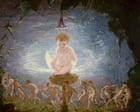
Richard Dadd: Beyond BedlamTerrifying creatures of the night and surreal dreamscapes galore â and those are just the âsaneâ canvases this Victorian artist painted before he was confined to Bedlam, where his visions became truly unsettling. Royal Academy, London, 25 July to 25 October
Felicity PowellDreamlike images across many media by this artist who died in 2015 after documenting her own cancer. Richard Saltoun Gallery, London, until 3 October
AutopsyUFOs, the Roswell âalienâ and the inaccessibility of truth in the digital age provide suitably strange fodder for Paul McCarthy, Chino Moya and many more. Seventeen Gallery, London, until 15 August
Elizabeth Blackadder: A Life in ColourTapestries by this colour-loving Scottish artist are accompanied by her paintings and drawings. Dovecot Studios, Edinburgh, until 14 November
Clare Woods: Garden Without SeasonsPastoral and horticultural new paintings that delve into nature in a show that suits the season. Pitzhanger Manor and Gallery, London, from 29 July until 8 November
Ray Exworth spent his life filling Cornish sheds with breathtaking sculptures â but wouldnât let anyone in to view them. Now, after his death, his secret body of work has been revealed. Read the full article
At 100, painter, sculptor and performance artist Ken Turner is still smashing the system ⦠and the occasional Tesla
Sheffieldâs Designers Republic lit up the north with their work for Aphex Twin, Pulp ⦠and Pringles
Trent Park House museum reveals the story of its wartime âsecret listenersâ
The Manifesta biennale brings radical community spirit to struggling German towns
The artful work of hundreds went into dazzling textiles show Entangled and Woven
Jessica Morgan has taken âa big pay cutâ to become Tateâs new director
Head of a Peasant Woman by Vincent van Gogh, about 1884
When Vincent van Gogh gave up his early attempts at art dealing, teaching and missionary work to learn to paint, he saw art as a social vocation. Instead of saving the poor by preaching he would help them by depicting their harsh lives. This peasant woman is one of the folk he painted from life in Nuenen in the south Netherlands in his first really ambitious art project: a passionate attempt to document rural poverty that culminated in his famous 1885 painting The Potato Eaters. He sees sadness and distraction in her eyes as she patiently sits for him, her individual presence heightened by the vague background that leaves nothing to look at but the figure. Van Gogh suggests a tension between her workaday appearance and a richer, more elusive inner life. He would later embrace expressionism and wild colour in search of ways to open that subjective realm of the soul. National Gallery, London